REAL LEATHER – What does that actually mean?
We have put together a short guide that will make you leather experts in 5 minutes.
Here is a general overview of the different types of leather available on the market.
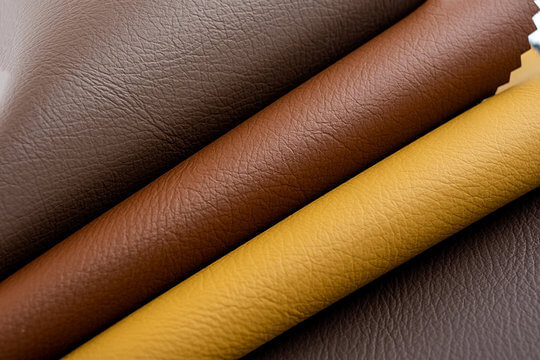
Faux Leather
– Vegan, Pleather, PU –
This is technically not leather, but we’ll include it for good measure. Faux leather is a synthetic material – it’s a form of plastic. It’s therefore man-made and has nothing to do with animal hide.
Faux leather is often cheap, but also very fragile compared to real leather.
At Nordform, none of our products are made of Faux Leather.
Genuine Leather
– Napa, Split, Embossed, Coated, Suede –
One of the most widely used forms of leather, Genuine Leather goes by many names. If you look up subjectives for the word “genuine” words like original, real and unadulterated will appear.
Therefore, many believe that genuine leather is high-quality animal hide, but it basically just means that “technically it’s leather”. It is more like a broad classification of material than a type of leather.
In simple terms, genuine leather can range from lower-quality leather fibers and scraps bonded together, to the lower layers of a hide, meaning there can be a significant difference in quality within this category.
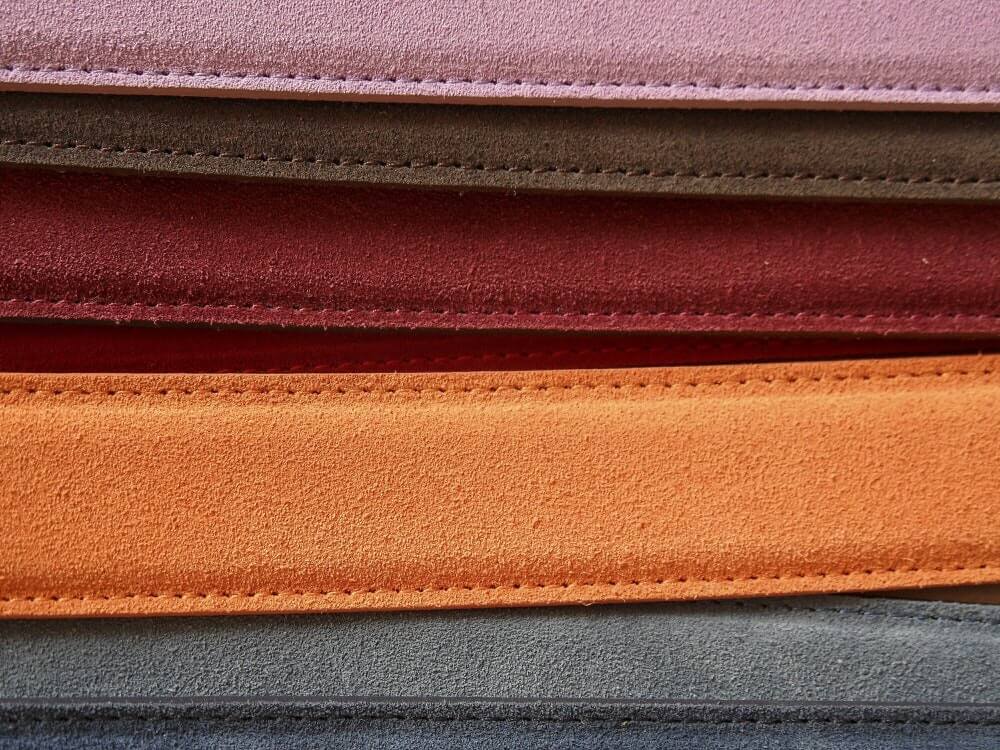
For instance, the back of the animal hide belongs under the term genuine leather. The back feels rough compared to the smooth front and is also known as suede leather.
Top- & Full Grain Leather
– Traditional Leather –
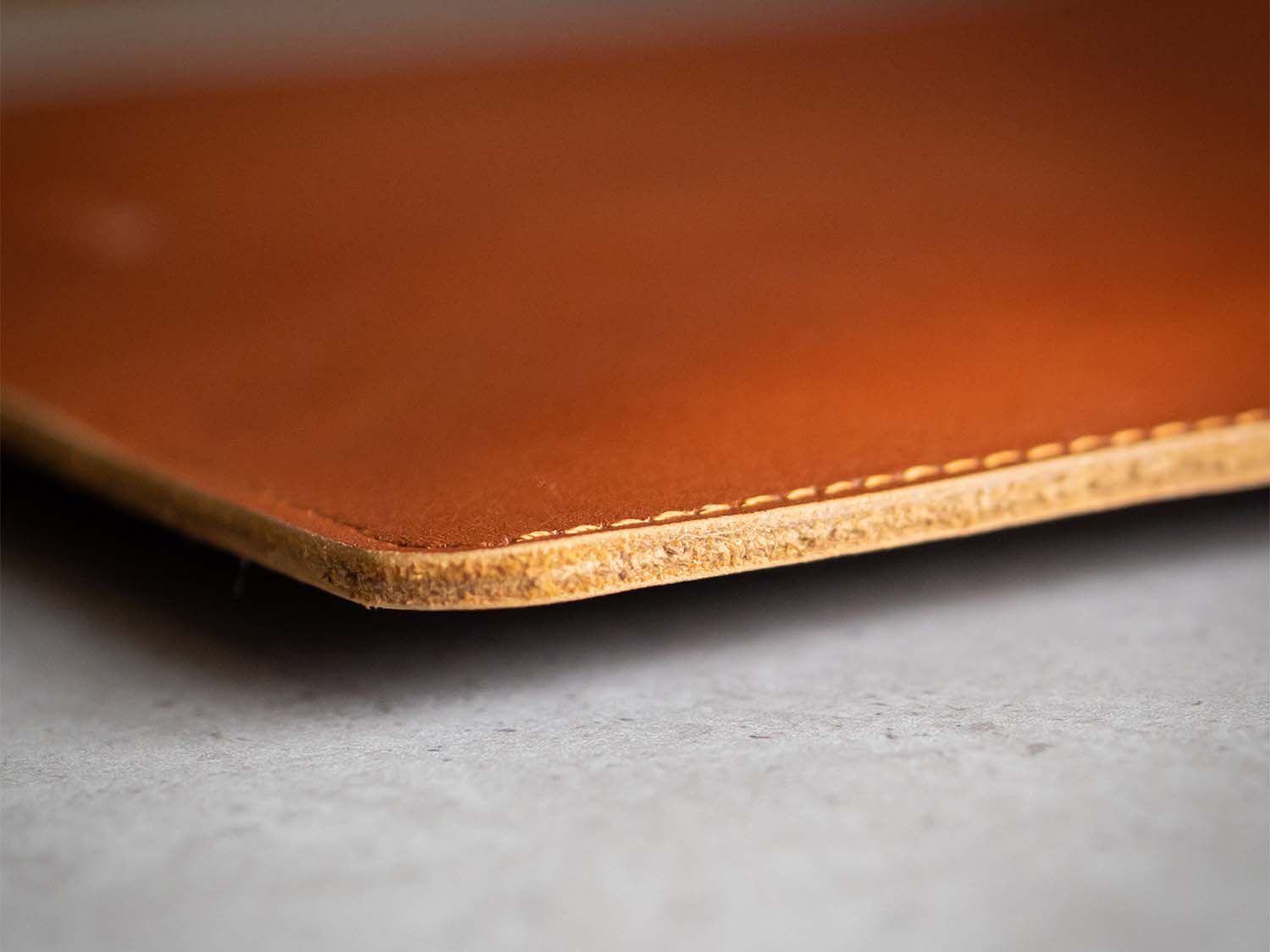
Full-grain leather is the upper part of the animal skin. All the hair is picked, after which the leather is treated and dyed. On some full-grain leather products, various scars and bruises from the animals can still be seen in the finished product.
For top-grain leather, a very thin layer of the skin is filed down to remove such imperfections. This leather type is incredibly durable and often gets a nice patina with age.
With the right care, products made of Top- & Full Grain leather can last for several generations.